
 English
 Chinese
 Dutch
 Arabic
 Spanish
 Portuguese
 Russian
 French
 Italian
 German
 Japanese
We draw close to God through his Son, and the first believers showed us how. “They continued stedfastly in the apostles’ doctrine and fellowship, and in breaking of bread, and in prayers” (Acts 2:42): they took in the teaching of Scripture, shared their lives, gathered at the Lord’s table and prayed. Each of the four can begin this week.
Jesus gave us the picture for this connection himself, on the night before he died. “I am the vine, ye are the branches,” he said. “Abide in me, and I in you. As the branch cannot bear fruit of itself, except it abide in the vine; no more can ye, except ye abide in me” (John 15:4–5). A branch does not strain to stay joined to the vine. It stays where it is put, and the life comes up into it. The four things the first Christians did are simply the ways we stay.
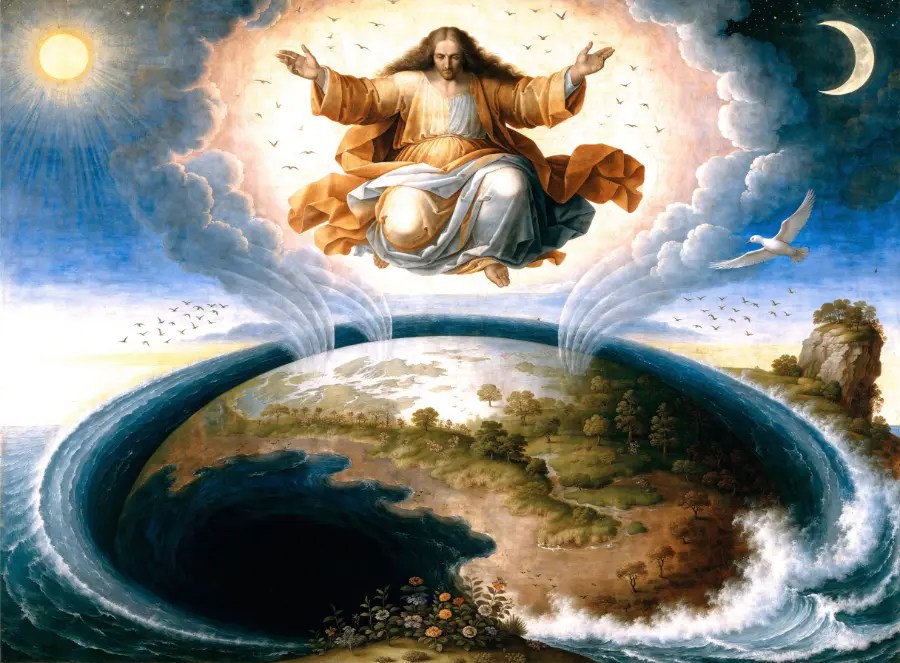
What does it mean to be connected to Jesus?
It means to live in him the way a branch lives in a vine: drawing our life from his, day after day. Paul uses other words for the same thing. “For as many of you as have been baptized into Christ have put on Christ” (Galatians 3:27). “We are buried with him by baptism into death: that like as Christ was raised up from the dead by the glory of the Father, even so we also should walk in newness of life” (Romans 6:4).
Churches differ on where that life begins. Catholics, the Orthodox and Methodists see it beginning in baptism. The Catechism of the Catholic Church calls baptism “the basis of the whole Christian life” and teaches that through it “we become members of Christ” (paragraph 1213). The Greek Orthodox Archdiocese of America calls it “the initial and essential mystery” and says, “Baptism unites the believer not only with Christ but with his people, the Church.” Methodist teaching calls baptism “a sign of regeneration or the new birth.” Baptists see the connection beginning with faith, and baptism as its sign: in the words of the Southern Baptist Convention’s Baptist Faith and Message, “an act of obedience symbolizing the believer’s faith in a crucified, buried, and risen Saviour.” If you have never been baptized, the first step this week may be a conversation with a pastor or priest about it.
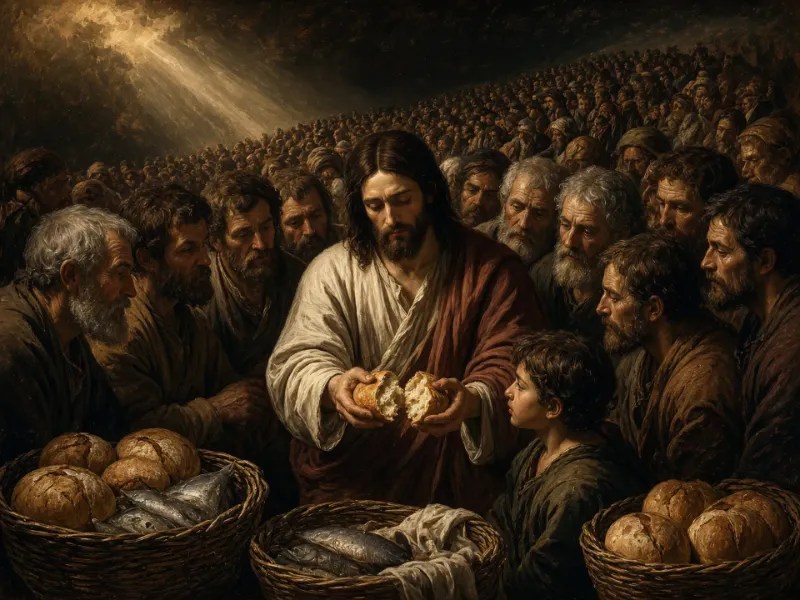
How do I connect with God in prayer?
Begin with the prayer Jesus gave us. When his disciples asked, “Lord, teach us to pray” (Luke 11:1), he did not give them a method. He gave them words: “Our Father which art in heaven, Hallowed be thy name. Thy kingdom come, Thy will be done in earth, as it is in heaven” (Matthew 6:9–10). The Didache, a church handbook written in the first or second century, tells Christians to say it three times a day: “Thrice in the day thus pray.”
Jesus also told us where to pray: “enter into thy closet, and when thou hast shut thy door, pray to thy Father which is in secret” (Matthew 6:6). He did this himself. “In the morning, rising up a great while before day, he went out, and departed into a solitary place, and there prayed” (Mark 1:35).
This week, pray the Lord’s Prayer slowly three times a day: when you wake, at midday and before you sleep. Once a day, find a quiet place for five minutes, shut the door, and tell God plainly what is on your mind. Then stay a moment longer without speaking. There is more help in how to pray as a Christian.
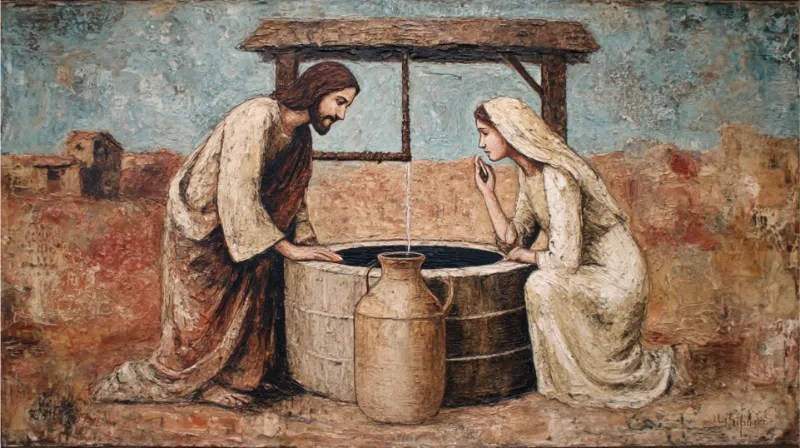
How does reading the Bible connect us with Jesus?
In the same chapter about the vine, Jesus joins the two together: “If ye abide in me, and my words abide in you” (John 15:7). His words are one of the ways he lives in us. On the first Easter Day, two disciples walked to Emmaus with a stranger who explained the Scriptures to them. Only later did they realize who he was, and they said, “Did not our heart burn within us, while he talked with us by the way, and while he opened to us the scriptures?” (Luke 24:32).
Start with a Gospel. Mark is the shortest, sixteen chapters, and it moves quickly from one scene of Jesus to the next. This week, read one chapter a day. Read slowly, and stop where a sentence stops you. Ask what it shows you about Jesus, and then speak to him about it. The psalm calls the person blessed whose “delight is in the law of the LORD; and in his law doth he meditate day and night,” and says he “shall be like a tree planted by the rivers of water” (Psalm 1:2–3). A tree by the water, a branch on the vine: Scripture keeps giving us pictures of something rooted and fed.
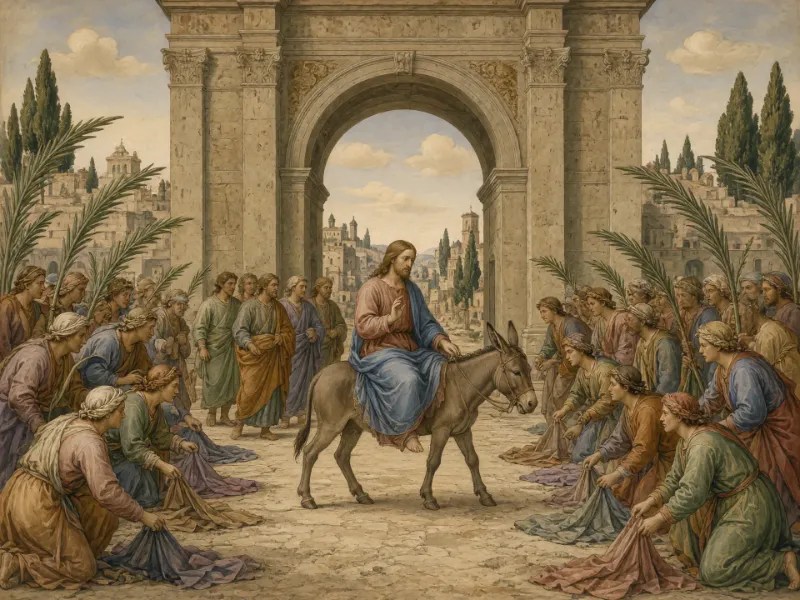
What do the sacraments have to do with knowing Christ?
On the night before he died, Jesus “took bread, and gave thanks, and brake it, and gave unto them, saying, This is my body which is given for you: this do in remembrance of me” (Luke 22:19). The first Christians kept doing it. And the two at Emmaus, who had felt their hearts burn on the road, only recognized Jesus when he sat at their table, “took bread, and blessed it, and brake, and gave to them. And their eyes were opened, and they knew him” (Luke 24:30–31). They told the others “how he was known of them in breaking of bread” (Luke 24:35).
Churches name these acts differently, and it is worth knowing how your own church speaks of them:
- Catholics count seven sacraments: “Baptism, Confirmation or Chrismation, Eucharist, Penance, Anointing of the Sick, Holy Orders, and Matrimony” (Catechism, paragraph 1113).
- The Orthodox call them mysteries. The Greek Orthodox Archdiocese of America explains that the Church “uses the Greek word mysterion, instead of sacrament,” and says of them, “In them we encounter Christ, in order to be Christ.”
- Methodists and Presbyterians count two sacraments, baptism and the Lord’s Supper. Methodist teaching calls them “certain signs of grace, and God’s good will toward us” (Articles of Religion, Article XVI), and the Westminster Confession says, “There be only two sacraments ordained by Christ our Lord in the Gospel” (chapter 27).
- Baptists speak of two “ordinances”. The Baptist Faith and Message calls the Lord’s Supper “a symbolic act of obedience” by which church members “memorialize the death of the Redeemer and anticipate His second coming.”
Whatever words they use, nearly every church keeps the table Jesus set. This week, go to your church’s next service of Holy Communion, the Eucharist or the Lord’s Supper. Each church has its own rules about who receives, so if you are new, ask before the service; and come anyway. “For as often as ye eat this bread, and drink this cup, ye do shew the Lord’s death till he come” (1 Corinthians 11:26).
Why do I need other Christians to connect with God?
Because a branch is never alone on the vine. The first believers met “daily with one accord in the temple, and breaking bread from house to house, did eat their meat with gladness and singleness of heart” (Acts 2:46). The letter to the Hebrews asks us not to give this up: “Not forsaking the assembling of ourselves together, as the manner of some is; but exhorting one another” (Hebrews 10:25). And Jesus promised to be in that gathering himself: “where two or three are gathered together in my name, there am I in the midst of them” (Matthew 18:20).
He also told us where else we would find him. “Inasmuch as ye have done it unto one of the least of these my brethren, ye have done it unto me” (Matthew 25:40). We meet Christ in the people beside us in the pew, and in the hungry, the sick and the lonely.
This week, go to a service and stay afterwards long enough to learn one person’s name. Ask about a Bible study or small group, and go once. Find one person who needs help, a neighbour, a sick friend, someone your church is already serving, and do one thing for them.
What if I don’t feel connected to God?
Many faithful Christians go through long seasons when prayer feels dry and God seems far away. The feeling is real, but it is not the measure of the connection. A branch on a vine in winter looks bare and is still joined. Keep doing the plain things. The promise does not depend on our mood: “Draw nigh to God, and he will draw nigh to you” (James 4:8).
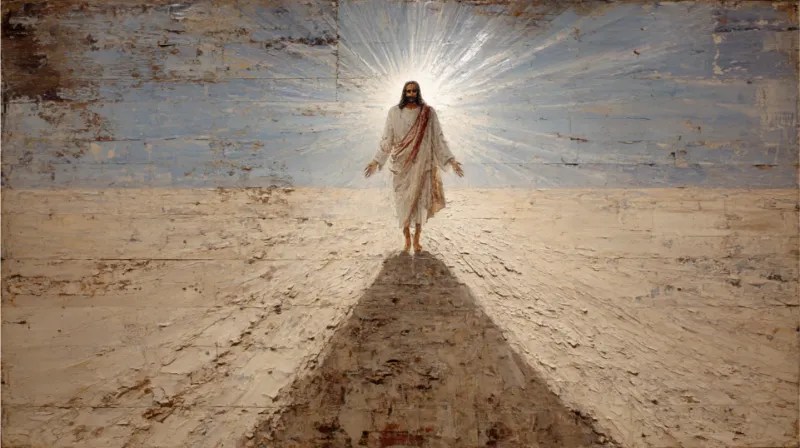
And remember who moves first. “Behold, I stand at the door, and knock: if any man hear my voice, and open the door, I will come in to him, and will sup with him, and he with me” (Revelation 3:20). For words to pray in a dry stretch, see 12 short prayers for getting closer to God. If the dryness has become a crisis of faith, you are not the first, and there is a way back.
The two at Emmaus did not yet know who was walking with them when they reached their village. They only knew they did not want him to go. “Abide with us,” they said, “for it is toward evening, and the day is far spent. And he went in to tarry with them” (Luke 24:29).


Leave a Reply