
 English
 Chinese
 Dutch
 Arabic
 Spanish
 Portuguese
 Russian
 French
 Italian
 German
 Japanese
In the Bible, moving forward means refusing to let the past set your direction, while still remembering it.
When Paul writes “forgetting what is behind” (Philippians 3:13), he has just listed his own past in detail: his ancestry, his zeal as a persecutor of the church, and the credentials he now counts as loss (3:4-8). The nineteen verses below cover what can be left behind, what God is doing that is not yet visible, how to find the way, where strength comes from, and what is promised.
What we are allowed to leave behind
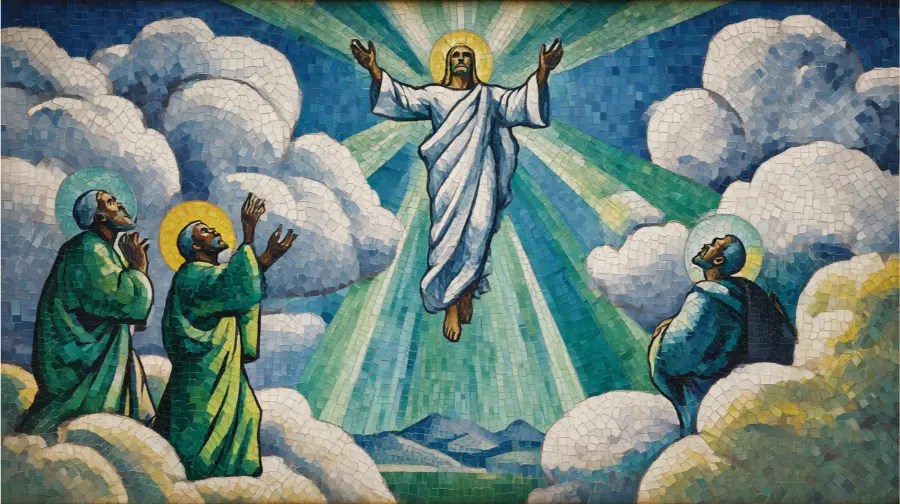
Philippians 3:13-14
“Brothers and sisters, I do not consider myself yet to have taken hold of it. But one thing I do: Forgetting what is behind and straining toward what is ahead, I press on toward the goal.”
Reflection: Paul says he has not yet arrived. “One thing I do” narrows his effort to a single aim, the goal he names in verse 14; the Bible’s verses about staying focused return to it.
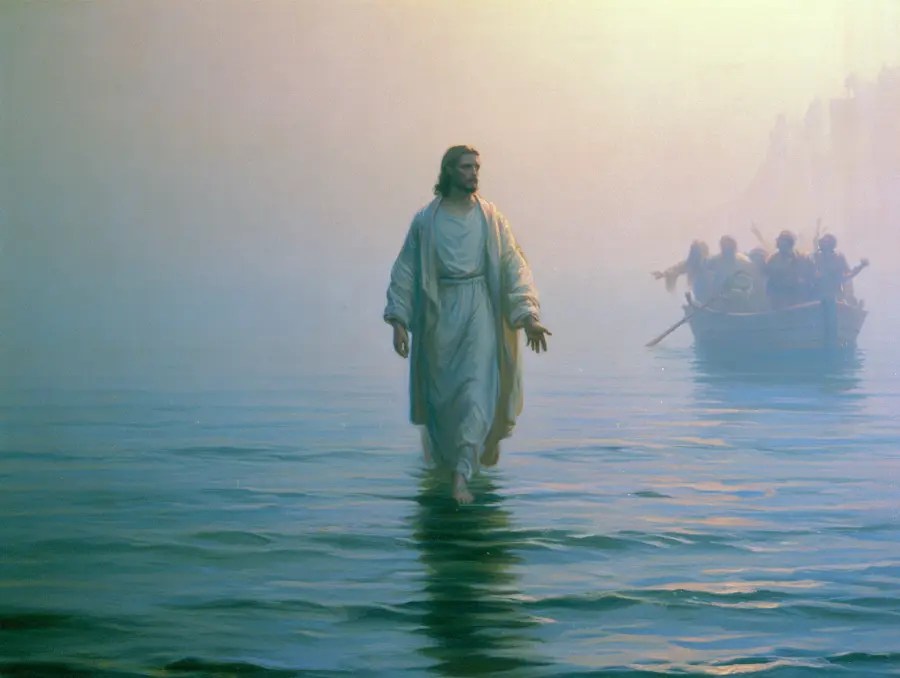
Isaiah 43:18-19
“Forget the former things; do not dwell on the past. See, I am doing a new thing! Now it springs up; do you not perceive it? I am making a way in the wilderness.”
Reflection: The words were spoken to exiles in Babylon, before anything had changed. Isaiah says the new thing is already springing up, and asks whether they see it.

2 Corinthians 5:17
“Therefore, if anyone is in Christ, the new creation has come: The old has gone, the new is here!”
Reflection: Paul describes what is true of anyone in Christ. The next verse credits it to God: “All this is from God” (5:18).
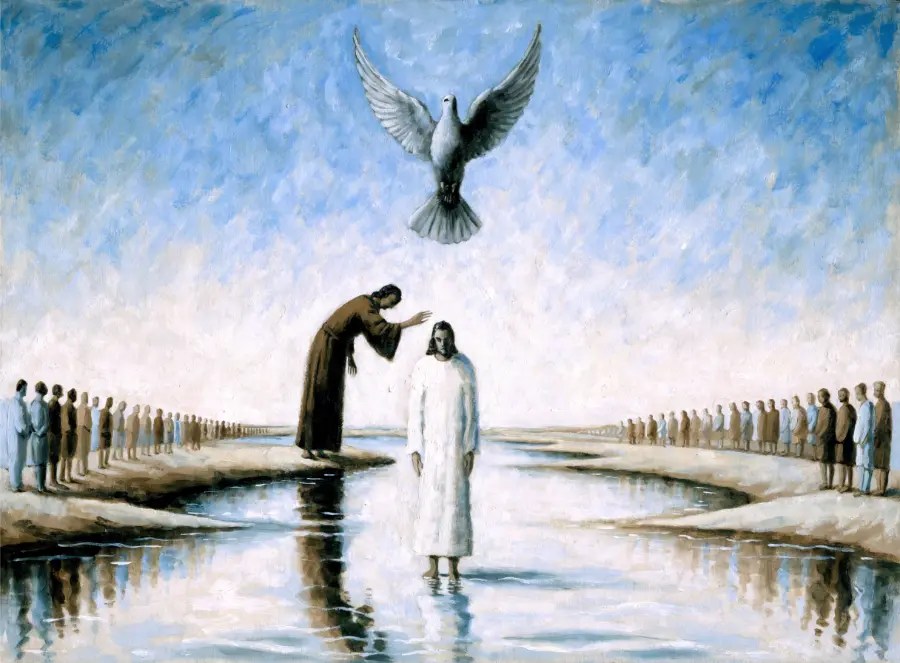
Hebrews 12:1-2
“Therefore, since we are surrounded by such a great cloud of witnesses, let us throw off everything that hinders and the sin that so easily entangles, and let us run with perseverance the race marked out for us.”
Reflection: Two things are thrown off: the sin that entangles and “everything that hinders,” which need not be sinful at all. The runners are to fix their eyes on Jesus (12:2).
What is starting before we can see it
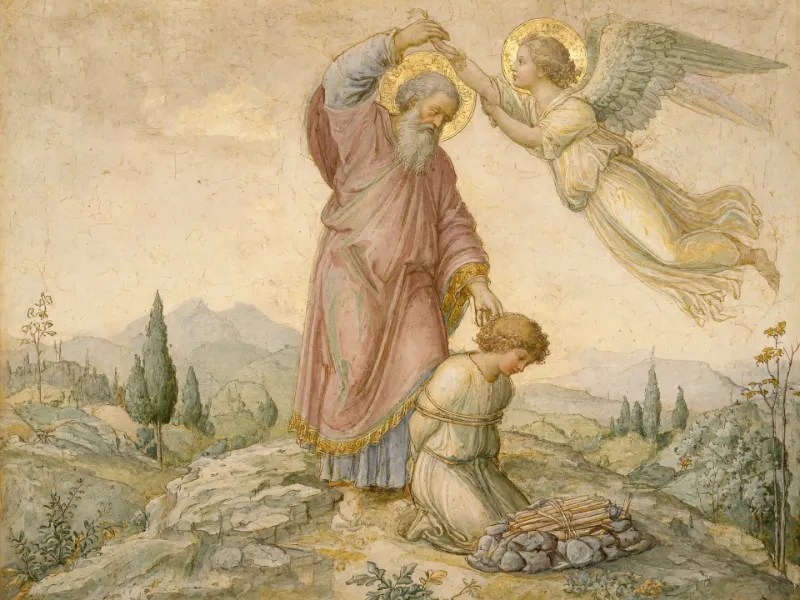
Jeremiah 29:11
“For I know the plans I have for you, declares the Lord, plans to prosper you and not to harm you, plans to give you hope and a future.”
Reflection: The verse before sets the timing: the exiles would return after seventy years in Babylon (29:10). The hope was real, and its timetable was God’s.
Jeremiah 31:17
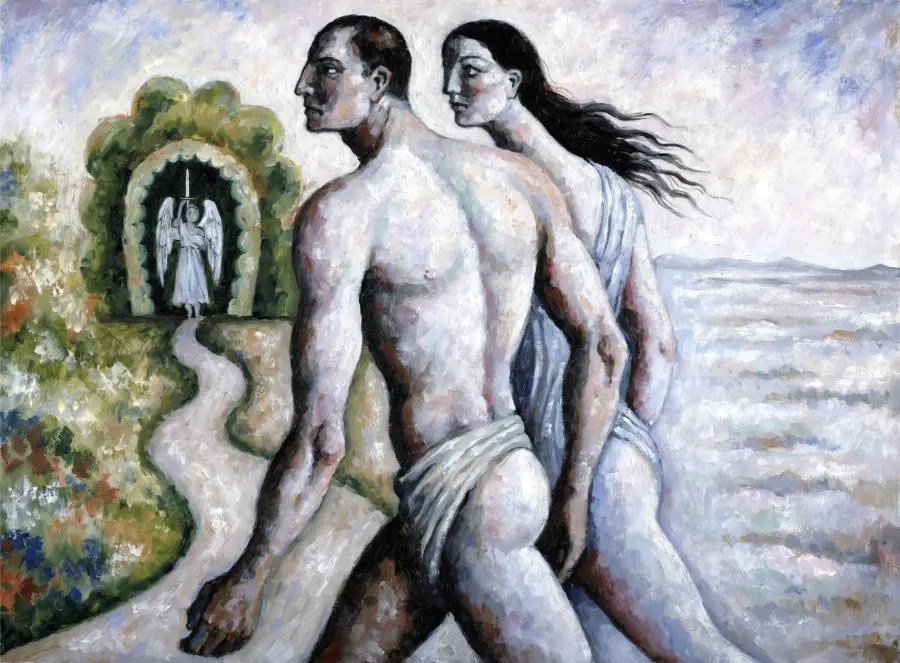
“So there is hope for your descendants, declares the Lord. Your children will return to their own land.”
Reflection: The promise answers Rachel weeping for her children (31:15-16). The hope is for the next generation.

Ephesians 2:10
“For we are God’s handiwork, created in Christ Jesus to do good works, which God prepared in advance for us to do.”
Reflection: God prepared the good works in advance. Paul says this right after insisting that salvation is not by works (2:8-9).
Proverbs 16:9
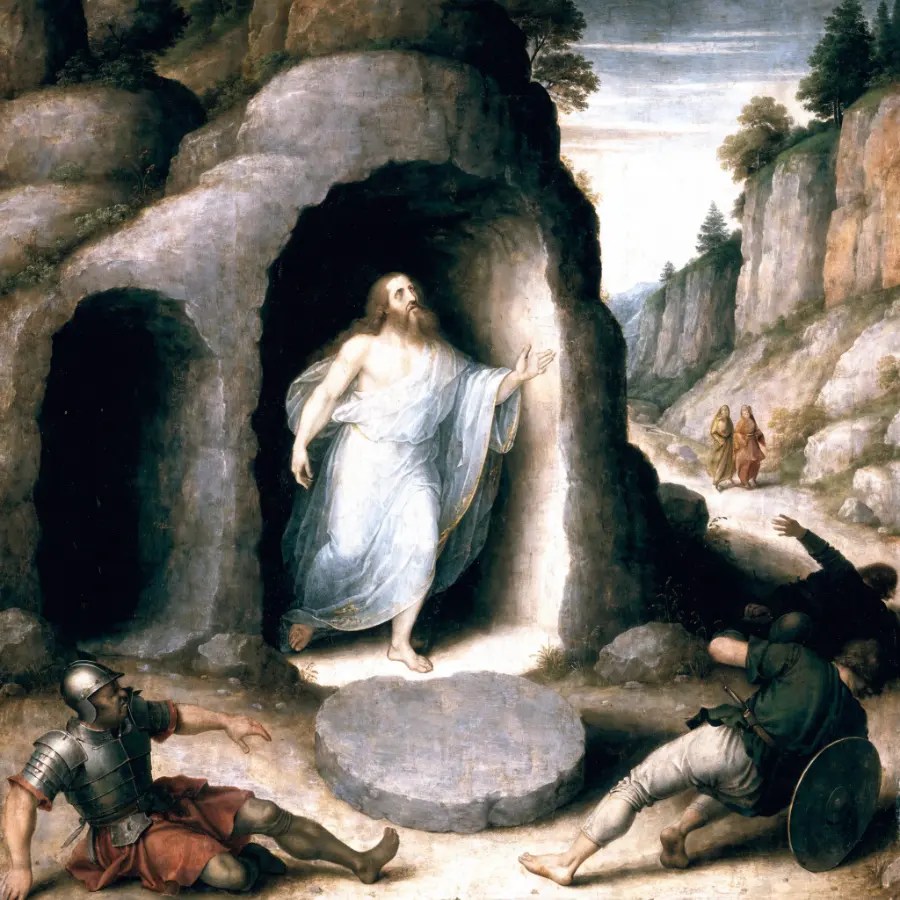
“In their hearts humans plan their course, but the Lord establishes their steps.”
Reflection: People plan the route, and the Lord establishes the steps. The proverb leaves room for both.
How the going works

Proverbs 3:5-6
“Trust in the Lord with all your heart and lean not on your own understanding; in all your ways submit to him, and he will make your paths straight.”
Reflection: The Hebrew verb behind “lean” means to rest your weight on something. The promise is a straight path, not a view of the whole road.
Psalm 32:8
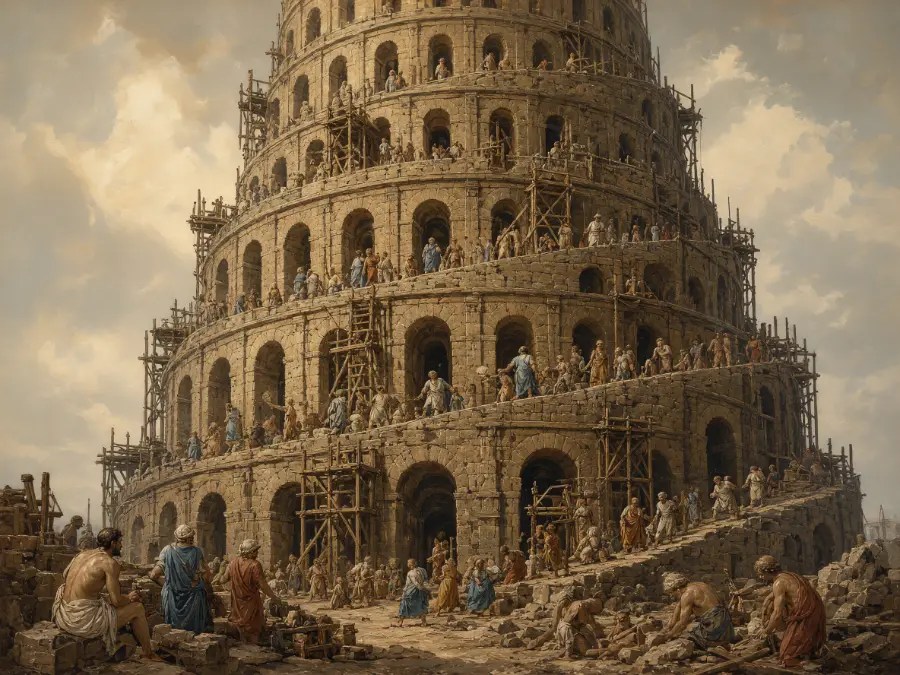
“I will instruct you and teach you in the way you should go; I will counsel you with my loving eye on you.”
Reflection: God is the speaker, and the Hebrew reads literally, “I will counsel you with my eye upon you.” The next verse warns against being like a horse or mule that has to be controlled by bit and bridle (32:9).
Romans 12:2
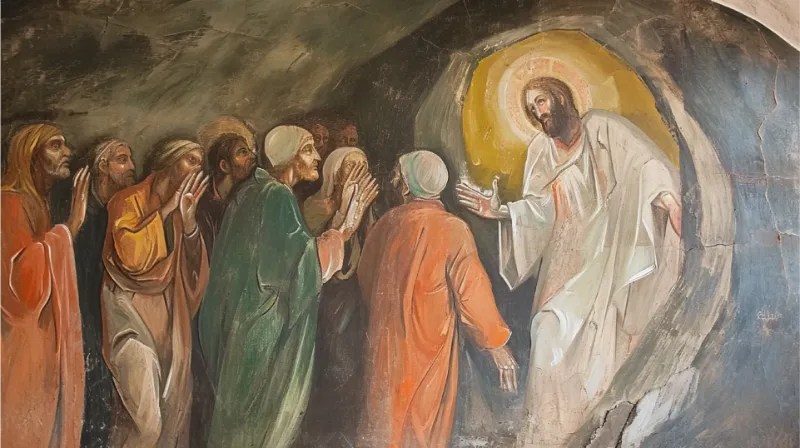
“Do not conform to the pattern of this world, but be transformed by the renewing of your mind.”
Reflection: Both Greek verbs are passive: be conformed, be transformed. The question is which influence a person allows to shape them.
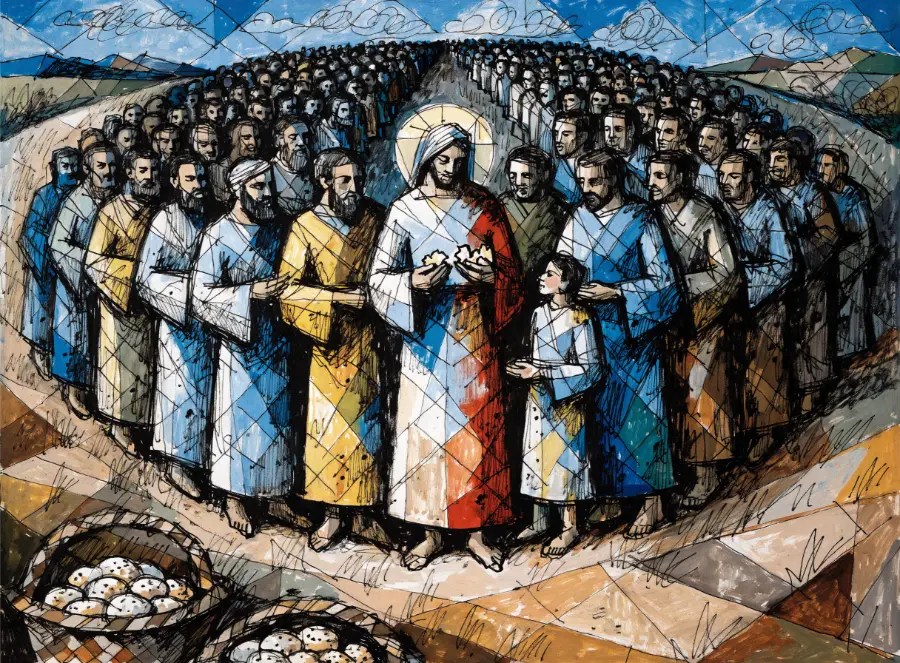
Colossians 1:9
“For this reason, since the day we heard about you, we have not stopped praying for you. We continually ask God to fill you with the knowledge of his will.”
Reflection: Paul and Timothy pray that the Colossians will be filled with the knowledge of God’s will. Others do the asking on their behalf.
For the part that takes strength
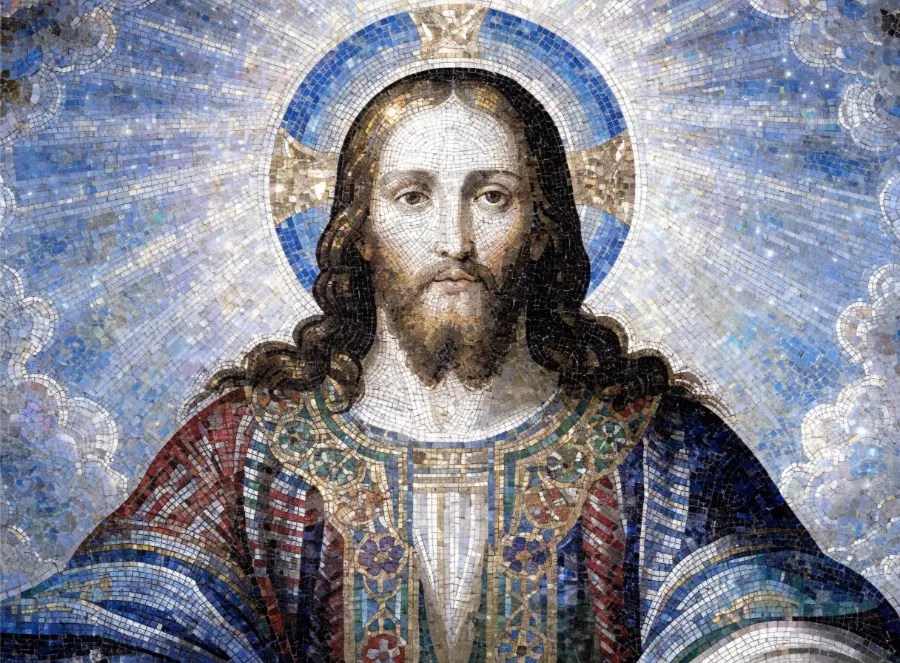
Joshua 1:9
“Have I not commanded you? Be strong and courageous. Do not be afraid; do not be discouraged, for the Lord your God will be with you wherever you go.”
Reflection: God gives this command in verses 6, 7 and 9, after Moses’ death (1:1-2). Joshua was taking over a task Moses had not finished.

2 Timothy 1:7
“For the Spirit God gave us does not make us timid, but gives us power, love and self-discipline.”
Reflection: Paul pairs power and love with self-discipline, the ability to keep going steadily. The verse before asks Timothy to fan into flame the gift of God (1:6).
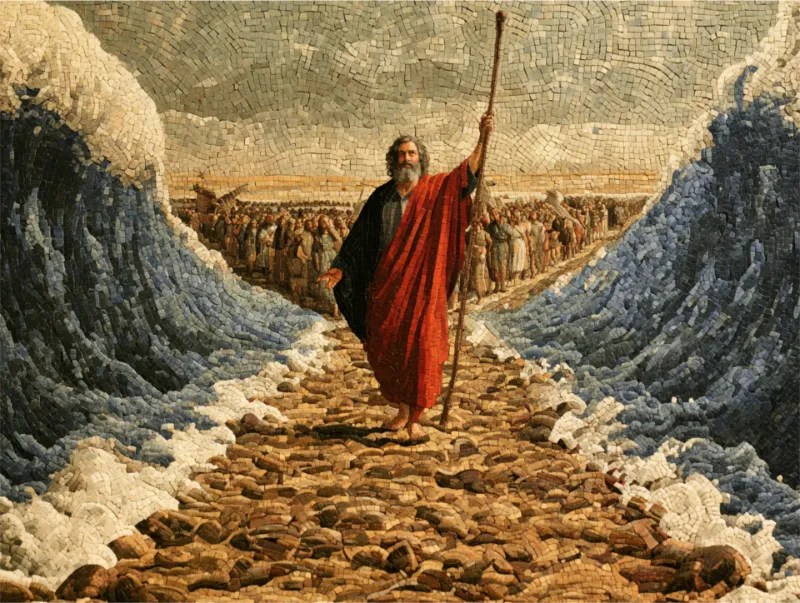
Isaiah 40:31
“But those who hope in the Lord will renew their strength. They will soar on wings like eagles; they will run and not grow weary, they will walk and not be faint.”
Reflection: The order runs soar, run, walk. The last promise, walking without fainting, is the one ordinary days require.
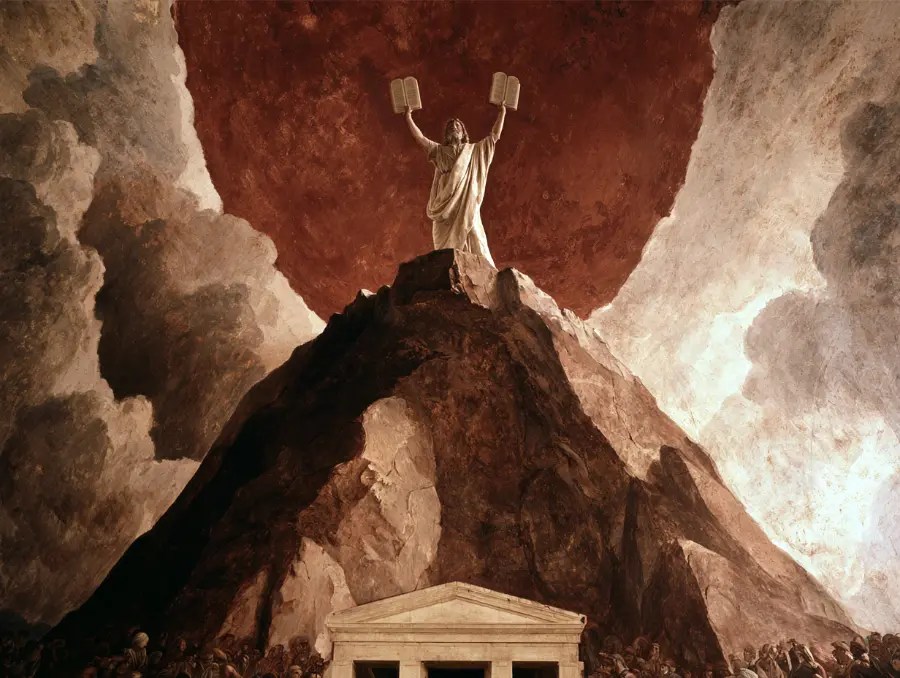
Zechariah 4:6
“Not by might nor by power, but by my Spirit, says the Lord Almighty.”
Reflection: The word was for Zerubbabel, who was rebuilding the temple after the exile. Later in the chapter God asks, “Who dares despise the day of small things?” (4:10).
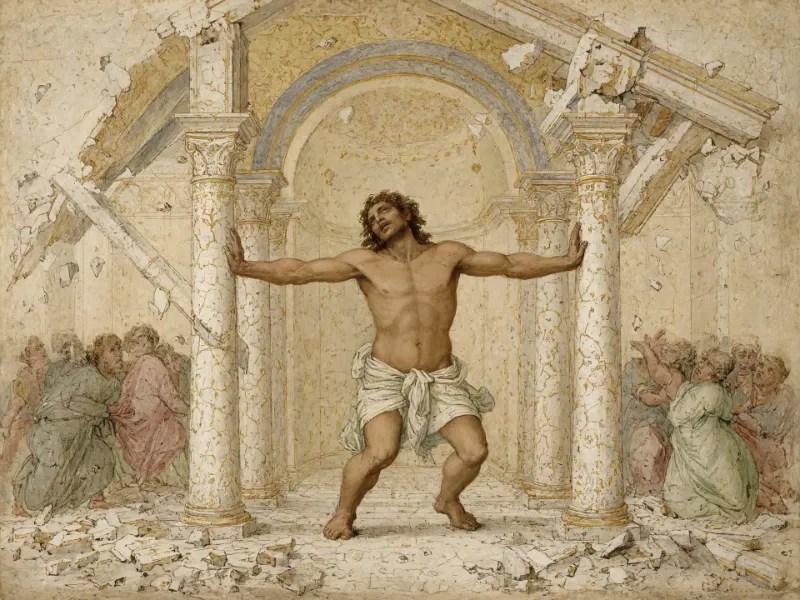
2 Corinthians 12:9
“But he said to me, ‘My grace is sufficient for you, for my power is made perfect in weakness.’”
Reflection: Paul received this answer after asking three times for his thorn to be removed (12:8). He went on with grace in place of the removal.
What is waiting

Romans 8:37
“No, in all these things we are more than conquerors through him who loved us.”
Reflection: “All these things” are the hardships Paul has just listed: trouble, hardship, persecution, famine, nakedness, danger and sword (8:35). The victory happens in them.
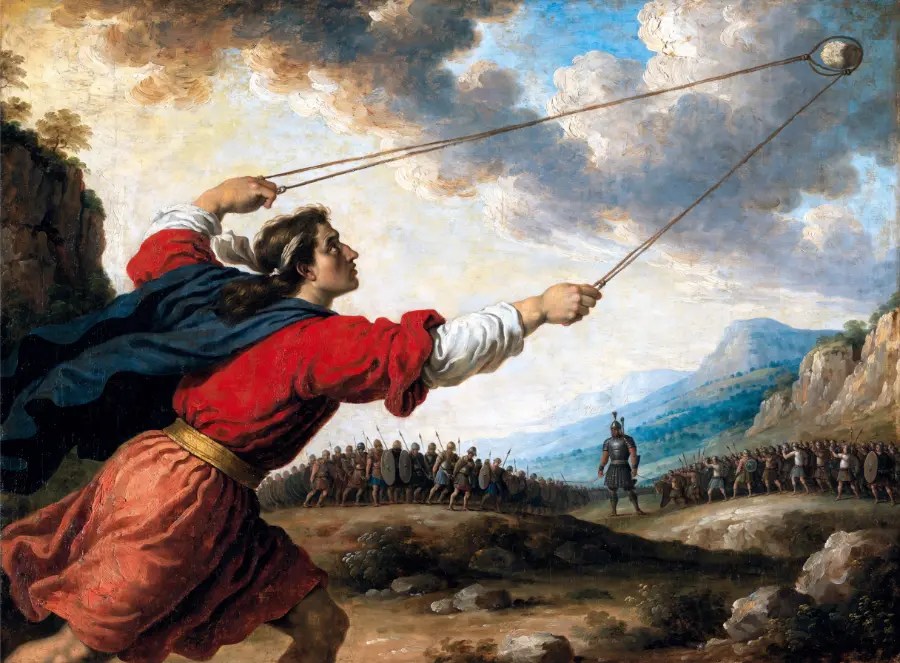
John 16:33
“I have told you these things, so that in me you may have peace. In this world you will have trouble. But take heart! I have overcome the world.”
Reflection: Jesus names the trouble and the peace in the same verse, on the night before his arrest.
If we are trying to move
None of these verses asks anyone to pretend the past did not happen. Paul remembered his in detail and would not let it steer him. Isaiah told the exiles to stop dwelling on the former things before anything had visibly improved.
The steps are modest: one aim rather than many, trust for the next part of the path, and help asked for when your own clarity runs out. For a while the honest answer to Isaiah’s question, “do you not perceive it?”, may be no; the verse says the new thing has begun anyway.


Leave a Reply